
Our Daughters Foundation
Game Changer: World-First Endometriosis Research Institute Launched at UNSW, Fueled by Landmark Donation
By Our Daughters Foundation
Game Changer: World-First Endometriosis Research Institute Launched at UNSW, Fueled by Landmark Donation
By Our Daughters Foundation
This is truly a groundbreaking moment for the millions of individuals worldwide battling endometriosis. A landmark philanthropic donation of an incredible $50 million has been made to UNSW Sydney by the Ainsworth family, establishing the Ainsworth Endometriosis Research Institute (AERI). This monumental contribution, the largest of its kind globally for endometriosis research, is set to position Australia at the forefront of women's health innovation and offers unprecedented hope to the endometriosis community.
The purpose of this historic donation is clear: to accelerate breakthroughs in the diagnosis and treatment of endometriosis, ultimately striving for a cure. AERI's vision is to foster global collaboration, bringing together leading researchers, clinicians, and crucially, patients, to build a deep understanding of endometriosis biology and its pathogenesis. This comprehensive approach is designed to lead directly to improved detection, more effective management strategies, and precision-based treatments that can truly transform lives.
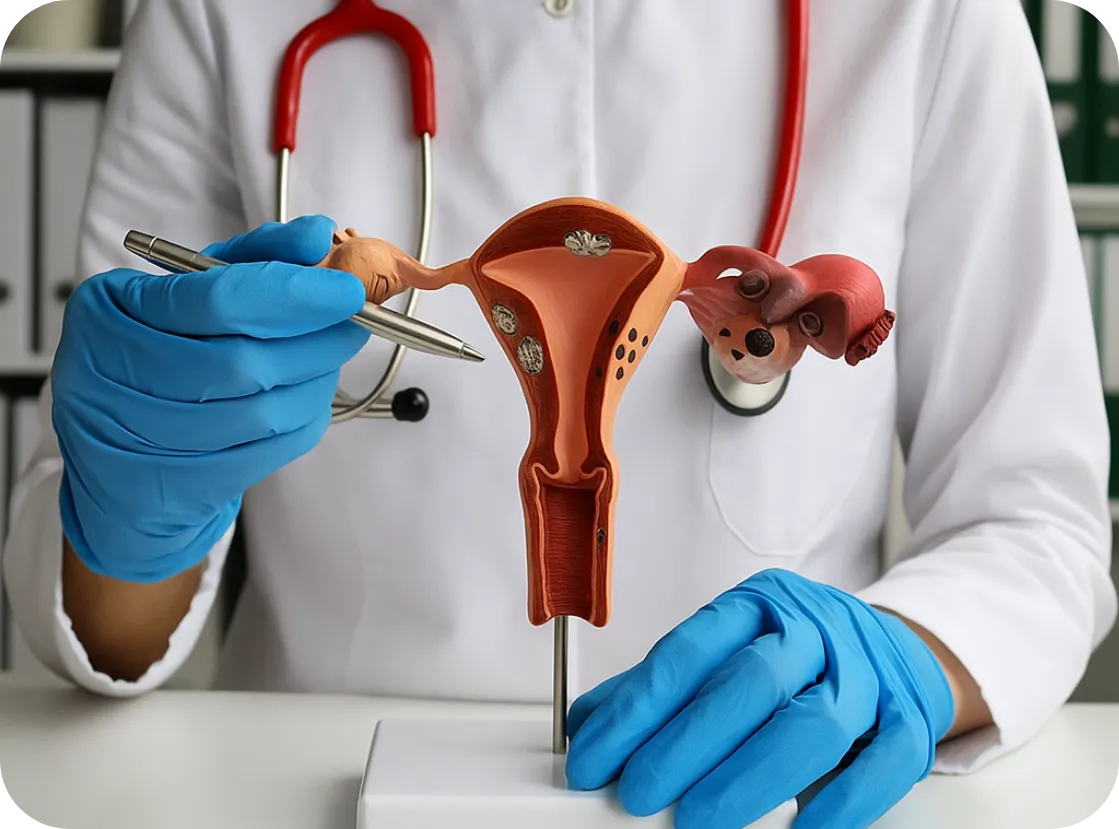
The potential impact on patient care and quality of life is immense. For too long, endometriosis has been misunderstood, misdiagnosed, and often inadequately treated. An institute dedicated solely to rigorous, collaborative research holds the promise of unraveling the complexities of this debilitating condition, leading to real, tangible improvements for those who suffer daily.
At Our Daughters Foundation, this news is incredibly vital to our mission. We are dedicated to funding cutting-edge research, expanding access to compassionate care, and advocating for better solutions for complex hormone-related illnesses like endometriosis. This establishment of AERI perfectly aligns with our commitment to finding answers and ensuring dignity in care for every woman and girl. It's a powerful testament to what focused investment and collaborative spirit can achieve in the fight against these often-neglected conditions.
Join us in celebrating this incredible milestone! Share this news with your networks, and consider supporting ongoing endometriosis research. Your contribution can help fuel more breakthroughs like this. Explore more about endometriosis and how you can help on our website.
Source Citation:
UNSW Newsroom: "Landmark donation powers world-first endometriosis research institute at UNSW"
This is truly a groundbreaking moment for the millions of individuals worldwide battling endometriosis. A landmark philanthropic donation of an incredible $50 million has been made to UNSW Sydney by the Ainsworth family, establishing the Ainsworth Endometriosis Research Institute (AERI). This monumental contribution, the largest of its kind globally for endometriosis research, is set to position Australia at the forefront of women's health innovation and offers unprecedented hope to the endometriosis community.
The purpose of this historic donation is clear: to accelerate breakthroughs in the diagnosis and treatment of endometriosis, ultimately striving for a cure. AERI's vision is to foster global collaboration, bringing together leading researchers, clinicians, and crucially, patients, to build a deep understanding of endometriosis biology and its pathogenesis. This comprehensive approach is designed to lead directly to improved detection, more effective management strategies, and precision-based treatments that can truly transform lives.
The potential impact on patient care and quality of life is immense. For too long, endometriosis has been misunderstood, misdiagnosed, and often inadequately treated. An institute dedicated solely to rigorous, collaborative research holds the promise of unraveling the complexities of this debilitating condition, leading to real, tangible improvements for those who suffer daily.
At Our Daughters Foundation, this news is incredibly vital to our mission. We are dedicated to funding cutting-edge research, expanding access to compassionate care, and advocating for better solutions for complex hormone-related illnesses like endometriosis. This establishment of AERI perfectly aligns with our commitment to finding answers and ensuring dignity in care for every woman and girl. It's a powerful testament to what focused investment and collaborative spirit can achieve in the fight against these often-neglected conditions.
Join us in celebrating this incredible milestone! Share this news with your networks, and consider supporting ongoing endometriosis research. Your contribution can help fuel more breakthroughs like this. Explore more about endometriosis and how you can help on our website.
Source Citation:
UNSW Newsroom: "Landmark donation powers world-first endometriosis research institute at UNSW"
Join Us: Make a Difference Today
Your support can transform lives. Every donation helps us fund research, advocate for better care, and provide essential grants to women facing debilitating conditions.
Join Us: Make a Difference Today
Your support can transform lives. Every donation helps us fund research, advocate for better care, and provide essential grants to women facing debilitating conditions.


Pelvic Congestion Syndrome
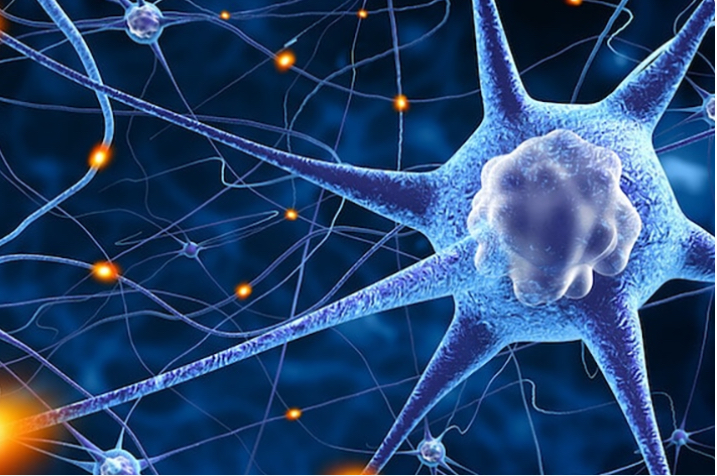
Pelvic Congestion Syndrome:
When Chronic Pelvic Pain Is Actually a Circulation Problem
Chronic pelvic pain in women is often assumed to be hormonal, gynecologic, or even emotional.
But for many women, the real cause is vascular.
Pelvic Congestion Syndrome (PCS) is an under-recognized condition involving abnormal blood flow and enlarged pelvic veins, similar to varicose veins in the legs — but deeper and harder to detect.
At Our Daughters Foundation, we are increasingly seeing how vascular disorders can play a major role in long-standing pelvic pain — sometimes alongside conditions like endometriosis. In fact, we are seeing it up close as our daughter just had to have treatment for PCS & other Endo related pain. Two of our daughters have PCS and it is not at all uncommon for women with Endo, Adeno and other hormone related illness to experience PCS as a main driver of pain in the pelvis.
Understanding PCS can help women find answers sooner — and avoid years of unnecessary suffering.
How Common Is Pelvic Congestion Syndrome?
PCS is believed to affect:
Up to 30% of women with chronic pelvic pain
Most often women between ages 20–45
More commonly women who have had multiple pregnancies
However, it can occur in women of any age — including teens and women who have never had children.
Because symptoms overlap with many other conditions, PCS is likely underdiagnosed.
What Causes Pelvic Congestion?
Pelvic Congestion Syndrome occurs when veins in the pelvis become enlarged and blood begins to pool instead of flowing efficiently back toward the heart.
This can happen for several reasons:
Hormonal influences
Estrogen can weaken vein walls and affect circulation.
Pregnancy
Increased blood volume and pressure can stretch pelvic veins.
Genetic or connective tissue factors
Some women naturally have more elastic vein walls. EDS is often seen/diagnosed in women with a history of endometriosis.
Underlying vascular compression disorders
This is an area of growing medical understanding.
Two important examples include:
May-Thurner Syndrome
This occurs when the left iliac vein is compressed by an artery, reducing blood flow out of the pelvis and left leg.
This can lead to pelvic varicose veins, leg swelling, or nerve-type pain.
Nutcracker Syndrome
This involves compression of the left renal vein, which can create back-pressure into ovarian and pelvic veins.
Symptoms may include pelvic pain, flank pain, or visible pelvic varicosities.
These conditions are not rare — but they are frequently missed unless specifically evaluated.
What Are the Symptoms?
Pelvic Congestion pain is often described as:
A deep aching or heavy pressure in the pelvis
Pain that worsens:
after standing or sitting for long periods
at the end of the day
during or after intercourse
around menstruation
Pain radiating into:
the lower back
hips
buttocks
legs
Some women also experience:
Visible vulvar or upper thigh varicose veins
Urinary urgency or pelvic fullness
Nerve-like pain from vein pressure on pelvic nerves
Leg swelling or unexplained bruising
Because symptoms can mimic gynecologic, orthopedic, neurologic, or gastrointestinal conditions, many women spend years searching for answers. In addition, these issues can coexist with endometriosis, adenomyosis, neurologic compression and gastrointestinal issues.
A Real-World Example: When Veins Compress Nerves
During one young woman’s recent complex pelvic surgery, surgeons discovered large varicose pelvic veins compressing important nerves, including the pudendal and sciatic nerves.
These veins were contributing not only to severe pelvic pain — but also to radiating leg symptoms, swelling, and functional limitation.
This illustrates an important reality:
Pelvic congestion is not always just a “vein problem.”
It can also be a nerve compression problem.
In some patients, multiple conditions may coexist, such as:
Endometriosis
Pelvic Congestion Syndrome
May-Thurner or Nutcracker physiology
Pelvic floor dysfunction
A comprehensive evaluation is often needed.
How Is PCS Diagnosed?
Diagnosis usually requires a vascular-focused workup.
Possible tests include:
Transvaginal or pelvic ultrasound
MRI or CT venography
Doppler studies
Pelvic venography (often considered the gold standard)
Intravascular ultrasound (IVUS) in specialized centers
Because PCS symptoms overlap with many other disorders, collaboration between gynecologists, vascular specialists, and interventional radiologists can be critical.
How Is Pelvic Congestion Treated?
Treatment depends on the cause and severity.
Conservative approaches
Pelvic floor therapy
Compression strategies
Lifestyle modifications
Interventional treatments
Ovarian vein embolization
A minimally invasive procedure that closes problematic veins to improve circulation.Venous stenting
Used when compression disorders such as May-Thurner are present.
Surgical approaches
In complex cases, surgical decompression or vein management may be necessary.
Treatment plans should always be individualized.
Why Awareness Matters
Too many women with pelvic pain are told:
“It’s just hormones.”
“It’s stress.”
“Your scans are normal.”
But vascular causes like Pelvic Congestion Syndrome are real — and treatable.
At Our Daughters Foundation, we believe:
Women deserve thorough investigation, collaborative care, and hope.
When pelvic pain persists, circulation should be part of the conversation.
Final Encouragement
If you or someone you love has chronic pelvic pain — especially with leg symptoms, heaviness, or unexplained swelling — it may be worth asking:
Could this be vascular? Could this a combination of nerve compression, vascular & endo?
Keep asking questions and look for experts that are willing to look for answers. Answers can change lives. We are not doctors, nor are we giving medical treatment advice at Our Daughters Foundation. But we do encourage you to ask more questions and seek answers for your specific symptoms.
The lack of research into women's health and endometriosis, in particular, has created a void of information. We will all continue to work to rectify this and bring more comprehensive and tested answers for the good of all women.
