Our Daughters Foundation
Game Changer: World-First Endometriosis Research Institute Launched at UNSW, Fueled by Landmark Donation
By Our Daughters Foundation
Game Changer: World-First Endometriosis Research Institute Launched at UNSW, Fueled by Landmark Donation
By Our Daughters Foundation
This is truly a groundbreaking moment for the millions of individuals worldwide battling endometriosis. A landmark philanthropic donation of an incredible $50 million has been made to UNSW Sydney by the Ainsworth family, establishing the Ainsworth Endometriosis Research Institute (AERI). This monumental contribution, the largest of its kind globally for endometriosis research, is set to position Australia at the forefront of women's health innovation and offers unprecedented hope to the endometriosis community.
The purpose of this historic donation is clear: to accelerate breakthroughs in the diagnosis and treatment of endometriosis, ultimately striving for a cure. AERI's vision is to foster global collaboration, bringing together leading researchers, clinicians, and crucially, patients, to build a deep understanding of endometriosis biology and its pathogenesis. This comprehensive approach is designed to lead directly to improved detection, more effective management strategies, and precision-based treatments that can truly transform lives.
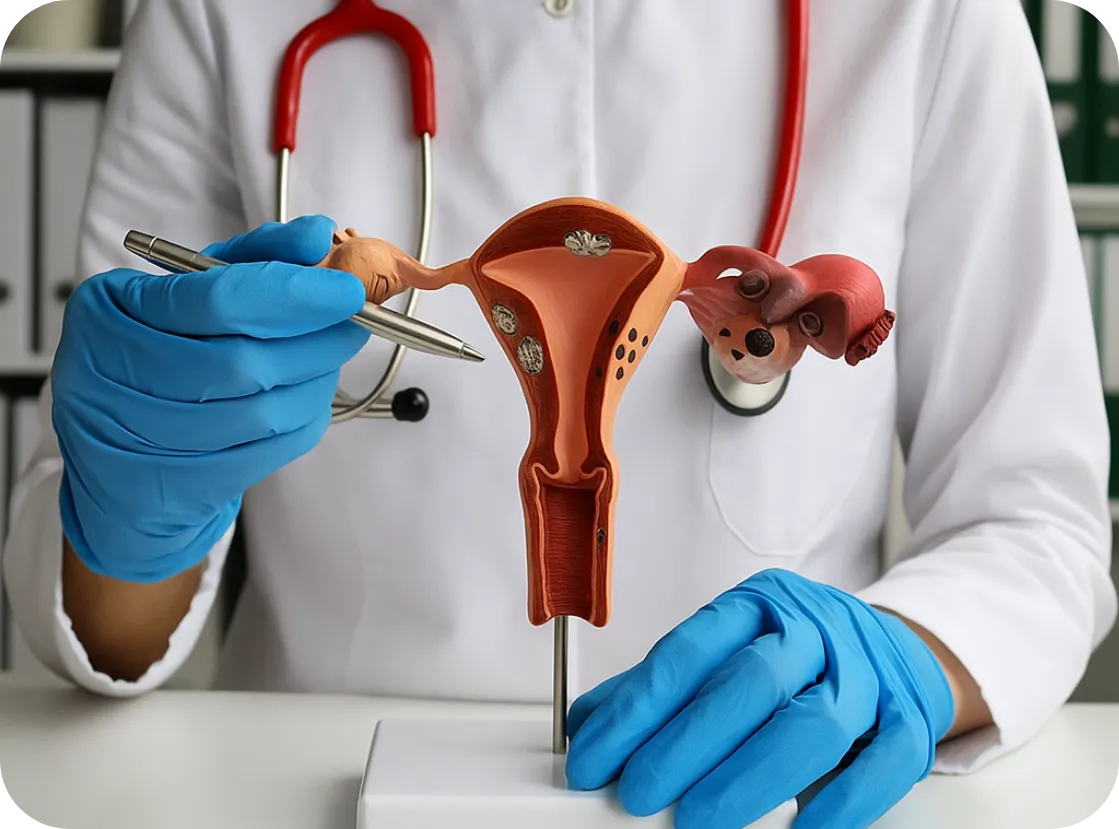
The potential impact on patient care and quality of life is immense. For too long, endometriosis has been misunderstood, misdiagnosed, and often inadequately treated. An institute dedicated solely to rigorous, collaborative research holds the promise of unraveling the complexities of this debilitating condition, leading to real, tangible improvements for those who suffer daily.
At Our Daughters Foundation, this news is incredibly vital to our mission. We are dedicated to funding cutting-edge research, expanding access to compassionate care, and advocating for better solutions for complex hormone-related illnesses like endometriosis. This establishment of AERI perfectly aligns with our commitment to finding answers and ensuring dignity in care for every woman and girl. It's a powerful testament to what focused investment and collaborative spirit can achieve in the fight against these often-neglected conditions.

Join us in celebrating this incredible milestone! Share this news with your networks, and consider supporting ongoing endometriosis research. Your contribution can help fuel more breakthroughs like this. Explore more about endometriosis and how you can help on our website.
Source Citation:
UNSW Newsroom: "Landmark donation powers world-first endometriosis research institute at UNSW"
This is truly a groundbreaking moment for the millions of individuals worldwide battling endometriosis. A landmark philanthropic donation of an incredible $50 million has been made to UNSW Sydney by the Ainsworth family, establishing the Ainsworth Endometriosis Research Institute (AERI). This monumental contribution, the largest of its kind globally for endometriosis research, is set to position Australia at the forefront of women's health innovation and offers unprecedented hope to the endometriosis community.
The purpose of this historic donation is clear: to accelerate breakthroughs in the diagnosis and treatment of endometriosis, ultimately striving for a cure. AERI's vision is to foster global collaboration, bringing together leading researchers, clinicians, and crucially, patients, to build a deep understanding of endometriosis biology and its pathogenesis. This comprehensive approach is designed to lead directly to improved detection, more effective management strategies, and precision-based treatments that can truly transform lives.
The potential impact on patient care and quality of life is immense. For too long, endometriosis has been misunderstood, misdiagnosed, and often inadequately treated. An institute dedicated solely to rigorous, collaborative research holds the promise of unraveling the complexities of this debilitating condition, leading to real, tangible improvements for those who suffer daily.
At Our Daughters Foundation, this news is incredibly vital to our mission. We are dedicated to funding cutting-edge research, expanding access to compassionate care, and advocating for better solutions for complex hormone-related illnesses like endometriosis. This establishment of AERI perfectly aligns with our commitment to finding answers and ensuring dignity in care for every woman and girl. It's a powerful testament to what focused investment and collaborative spirit can achieve in the fight against these often-neglected conditions.
Join us in celebrating this incredible milestone! Share this news with your networks, and consider supporting ongoing endometriosis research. Your contribution can help fuel more breakthroughs like this. Explore more about endometriosis and how you can help on our website.
Source Citation:
UNSW Newsroom: "Landmark donation powers world-first endometriosis research institute at UNSW"
Join Us: Make a Difference Today
Your support can transform lives. Every donation helps us fund research, advocate for better care, and provide essential grants to women facing debilitating conditions.
Join Us: Make a Difference Today
Your support can transform lives. Every donation helps us fund research, advocate for better care, and provide essential grants to women facing debilitating conditions.


Endometriosis Research: What's Happening
Emerging Non-Hormonal Endometriosis Therapies
For decades, most endometriosis treatments have focused on hormonal suppression. Today, researchers are exploring a new generation of therapies that target lesions, inflammation, and pain pathways without shutting down ovarian function.
None of these treatments are approved yet, but they represent an important shift in how scientists are thinking about endometriosis.
Research is moving beyond symptom suppression and toward understanding the biology of the disease itself. We will continue to highlight research initiatives here and on our The Endo Research Alliance pages.
1. ENDO-205
What is it?
A first-in-class peptide therapy designed to selectively target endometriosis lesions without suppressing ovarian hormones. The goal is to attack disease tissue directly while preserving normal hormone function.
Current Stage
Phase I Human Trial (2026)
The FDA granted Investigational New Drug (IND) clearance in March 2026, allowing human studies to begin. Phase I studies primarily evaluate safety, tolerability, and dosing. They do not yet determine whether the treatment works.
Why Researchers Are Interested
Non-hormonal
Potential disease-modifying therapy
Designed to target lesions directly
May avoid menopausal side effects associated with hormonal suppression
Important Limitation
There is currentlyno published human efficacy datademonstrating lesion regression or symptom improvement. The excitement is based largely on preclinical findings.
Learn More
Clinical development updates:EndoCyclic Therapeutics
FDA IND announcement:Contemporary OB/GYN coverage
2. HMI-115
What is it?
A monoclonal antibody that blocks theprolactin receptor. Researchers believe prolactin may contribute to lesion growth, inflammation, and pain signaling in endometriosis.
Current Stage
Phase III Clinical Trial (2026)
HMI-115 has progressed further than any other non-hormonal endometriosis therapy currently in development.
After positive Phase II results, the FDA granted Fast Track designation and Phase III enrollment began in 2026.
Why Researchers Are Interested
Phase II studies demonstrated:
Reduced dysmenorrhea
Reduced non-menstrual pelvic pain
Favorable safety profile
No ovarian suppression
No induced menopause
Why It Matters
This is currently the most advanced non-hormonal therapy in the endometriosis pipeline and arguably the closest to potential regulatory review.
Learn More
Phase III Trial:ClinicalTrials.gov HMI-115 Phase III Study
Phase II Trial:ClinicalTrials.gov HMI-115 Phase II Study
Company information:Hope Medicine
3. Vipoglanstat
What is it?
A non-hormonal oral therapy that inhibitsmPGES-1, an enzyme involved in inflammatory prostaglandin production.
Unlike hormonal treatments, Vipoglanstat is designed to target inflammatory pathways believed to drive pain and disease activity.
Current Stage
Phase II Trial (NOVA Trial)
The NOVA study is actively enrolling women across multiple European countries. The study is evaluating whether the drug reduces endometriosis-related pain while maintaining a favorable safety profile.
Why Researchers Are Interested
Non-hormonal
Non-opioid
Oral medication
Targets inflammation directly
May be suitable for long-term management if successful
Learn More
Trial listing:ClinicalTrials.gov NOVA Trial
Company pipeline:Gesynta Pharma Vipoglanstat Program
Additional Areas Worth Watching
These are not as far along clinically, but many researchers believe they may represent the future of endometriosis treatment:
Neuroimmune Therapies
Researchers are studying:
Nerve growth factor (NGF)
Neuroangiogenesis
Mast cells
Macrophages
Dendritic cells
The goal is to understand why pain sometimes persists even after lesions are removed.
Precision Medicine & Genomics
Researchers are trying to identify:
Who is genetically susceptible
Who develops severe disease
Who is likely to recur after surgery
Which therapies work best for specific patient groups
Source:ClinicalTrials.gov; Hope Medicine; EndoCyclic Therapeutics; Gesynta Pharma (accessed June 2026)
