Our Daughters Foundation
FAQs: Get Your Endometriosis Questions Answered
From diagnosis delays to treatment options, find straightforward answers to the questions you have about endometriosis.
FAQs: Get Your Endometriosis Questions Answered
From diagnosis delays to treatment options, find straightforward answers to the questions you have about endometriosis.
What is endometriosis, and is it considered a menstrual disease?
Endometriosis is a systemic, inflammatory condition characterized by tissue similar to the lining of the uterus growing in other parts of the body. Endometriosis has been found in every organ. It is not simply a menstrual disease, yet is often mischaracterized as such, even by reputable sources.
Approximately how many people are affected by endometriosis, and what are some common symptoms they may experience?
Endometriosis affects approximately 1 in 10 women. Common symptoms include, but are not limited to, pelvic pain any time during the month, a wide range of GI symptoms, urinary symptoms, fatigue, debilitating periods and more depending on where the endometriosis lesions are located in the body.
What is the average diagnostic delay for endometriosis, and what factors contribute to this delay?
Symptoms often start early in life, but due to cultural taboos, misinformation and a historical lack of emphasis in medical education, they may be ignored or misdiagnosed by caregivers, healthcare consumers and practitioners alike. The average diagnostic delay is 7-10 years.
When can endometriosis symptoms begin, and what percentage of teenagers withchronic pelvic pain may have the condition?
Endometriosis symptoms may begin as early as when puberty starts. Endometriosis symptoms can present before menstruation, during menstruation, and/or after menstruation. An estimated 70% of teens with chronic pelvic pain go on to be later diagnosed with endometriosis.
What constitutes a "red flag" regarding pelvic pain, and what action should be taken if someone experiences this?
Red flag: If you or your patient regularly feels pain during or around periods, and this pain is bad enough to interfere with usual activities, this is a red flag - it is not normal and should be investigated further as soon as possible. (If you do not have this, it doesn't mean that you don't have endometriosis).
Identified risk factors for developing endometriosis.
Risk factors for endometriosis include a mother or sister having the disease (7x increased risk), early onset of menses, short or frequent menstrual cycles, Mullerian abnormalities, autoimmune conditions and more. However, many people develop endo who have none of these risk factors.
Is a hysterectomy considered a cure for endometriosis, and is pregnancy a cure?
Hysterectomy is not a cure for endometriosis. A disease characterized by tissue found outside of the uterus is not cured by removal of the uterus, ovaries and/or tubes and cervix. Over 100,000 hysterectomies are performed each year in the United States for endometriosis and most of them are unnecessary. Neither is pregnancy a cure for endometriosis.
Why are individualized, multi-disciplinary treatment plans needed for endometriosis, and which specialist should be consulted?
People with endometriosis need an individualized, multi-disciplinary treatment plan that may include specialized, incredibly difficult surgery. Most gynecologists are not trained in advanced endometriosis cases. Drug therapy may suppress symptoms, yet it does not eradicate endometriosis. Patients should be referred to an endometriosis specialist. We cannot emphasize this enough, please go to a an endometriosis specialist. Your regular OB/GYN should refer you to one if they suspect you have endo.
What are some common co-morbidities associated with endometriosis?
People with endometriosis have an increased risk of co-morbidities including allergies, asthma, and chemical sensitivities, autoimmune diseases such as multiple sclerosis and lupus, chronic fatigue syndrome and fibromyalgia, and certain cancers, such as ovarian and breast cancer. Many doctors are also seeing MCAS, POTS and hEDS as common co-morbidities.
How does endometriosis impact quality of life beyond physical symptoms, and what holistic approach is recommended?
Endometriosis often reduces quality of life and contributes to psychological distress. Unnecessary delays in diagnosis and gaslighting contribute to the negative mental health impacts of the disease. A holistic approach to care including mental health support can improve quality of life.
What is endometriosis, and is it considered a menstrual disease?
Endometriosis is a systemic, inflammatory condition characterized by tissue similar to the lining of the uterus growing in other parts of the body. Endometriosis has been found in every organ. It is not simply a menstrual disease, yet is often mischaracterized as such, even by reputable sources.
Approximately how many people are affected by endometriosis, and what are some common symptoms they may experience?
Endometriosis affects approximately 1 in 10 people born with female reproductive organs. Common symptoms include, but are not limited to, pelvic pain any time during the month, a wide range of GI symptoms, urinary symptoms, fatigue, debilitating periods and more depending on where the endometriosis lesions are located in the body.
What is the average diagnostic delay for endometriosis, and what factors contribute to this delay?
Symptoms often start early in life, but due to cultural taboos, misinformation and a historical lack of emphasis in medical education, they may be ignored or misdiagnosed by caregivers, healthcare consumers and practitioners alike. The average diagnostic delay is 7-10 years.
When can endometriosis symptoms begin, and what percentage of teenagers withchronic pelvic pain may have the condition?
Endometriosis symptoms may begin as early as when puberty starts. Endometriosis symptoms can present before menstruation, during menstruation, and/or after menstruation. An estimated 70% of teens with chronic pelvic pain go on to be later diagnosed with endometriosis.
What constitutes a "red flag" regarding pelvic pain, and what action should be taken if someone experiences this?
Red flag: If you or your patient regularly feels pain during or around periods, and this pain is bad enough to interfere with usual activities, this is a red flag - it is not normal and should be investigated further as soon as possible. (If you do not have this, it doesn't mean that you don't have endometriosis).
Identified risk factors for developing endometriosis.
Risk factors for endometriosis include a mother or sister having the disease (7x increased risk), early onset of menses, short or frequent menstrual cycles, Mullerian abnormalities, autoimmune conditions and more. However, many people develop endo who have none of these risk factors.
Is a hysterectomy considered a cure for endometriosis, and is pregnancy a cure?
Hysterectomy is not a cure for endometriosis. A disease characterized by tissue found outside of the uterus is not cured by removal of the uterus, ovaries and/or tubes and cervix. Over 100,000 hysterectomies are performed each year in the United States for endometriosis and most of them are unnecessary. Neither is pregnancy a cure for endometriosis.
Why are individualized, multi-disciplinary treatment plans needed for endometriosis, and which specialist should be consulted?
People with endometriosis need an individualized, multi-disciplinary treatment plan that may include specialized, incredibly difficult surgery. Most gynecologists are not trained in advanced endometriosis cases. Drug therapy may suppress symptoms, yet it does not eradicate endometriosis. Patients should be referred to an endometriosis specialist.
What are some common co-morbidities associated with endometriosis?
People with endometriosis have an increased risk of co-morbidities including allergies, asthma, and chemical sensitivities, autoimmune diseases such as multiple sclerosis and lupus, chronic fatigue syndrome and fibromyalgia, and certain cancers, such as ovarian and breast cancer.
How does endometriosis impact quality of life beyond physical symptoms, and what holistic approach is recommended?
Endometriosis often reduces quality of life and contributes to psychological distress. Unnecessary delays in diagnosis and gaslighting contribute to the negative mental health impacts of the disease. A holistic approach to care including mental health support can improve quality of life.
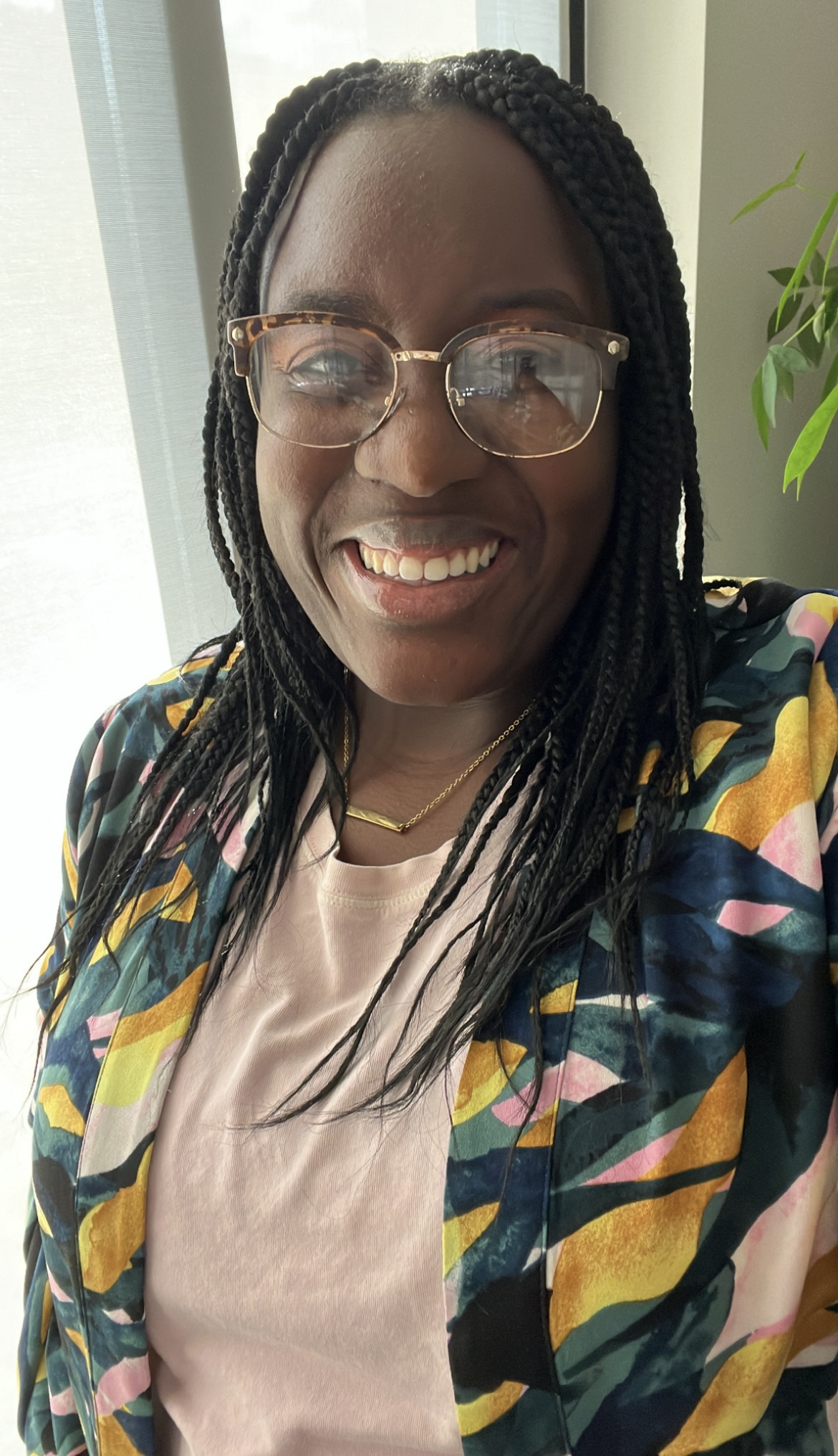
My Story: Ticalle
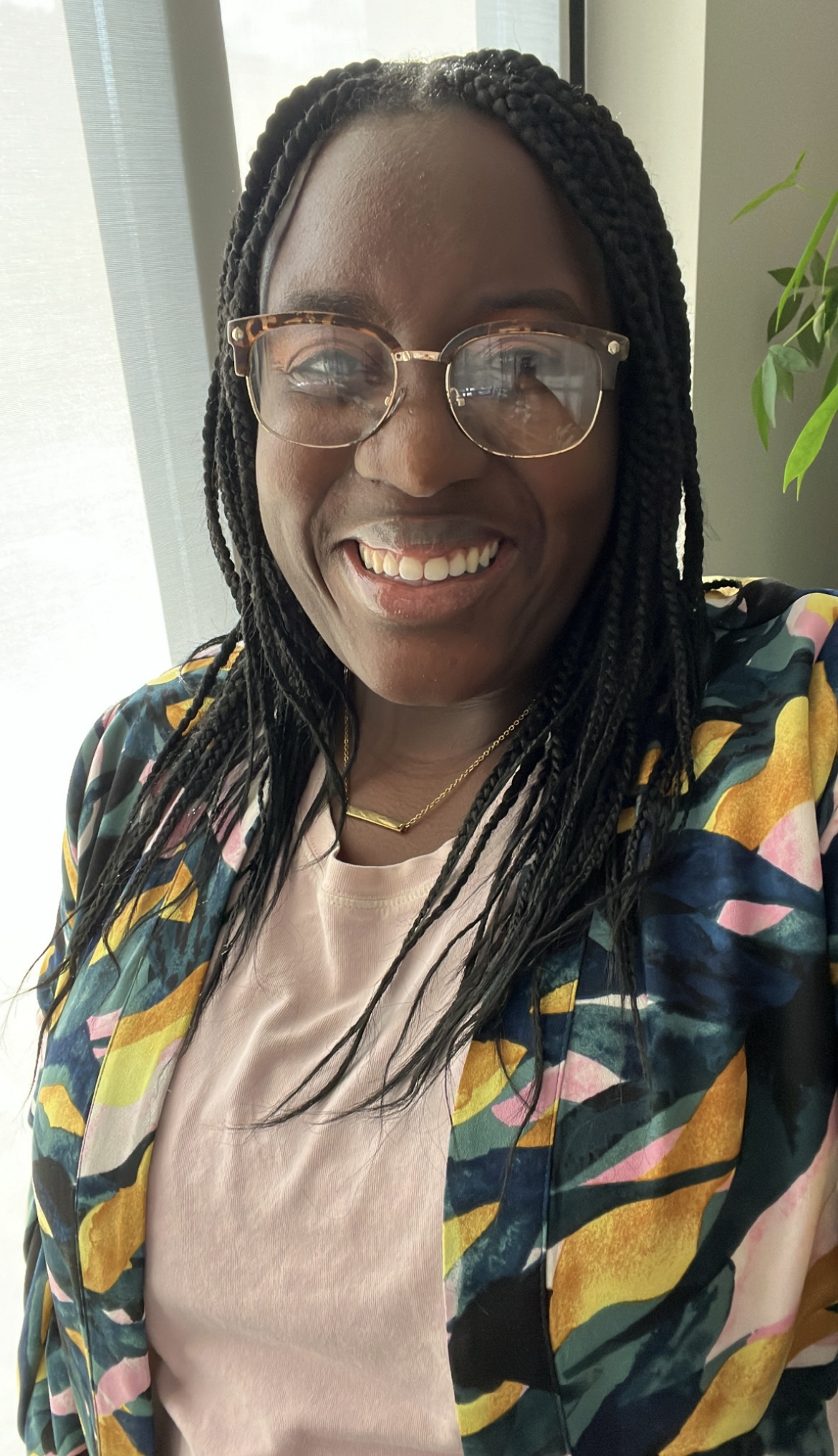
Hi! I’m Ticalle! My journey with Endometriosis began at just 10 years old, when I first got my period. I am now 36 years old. As a child, I suffered through heavy bleeding and agonizing pain that doctors dismissed as “normal.”
I was diagnosed with Precocious Puberty, and I was placed on a drug called Lupron, which stopped my periods completely for a few years and in effect, it put my body into early menopause as a little girl. When the medication ended, the pain returned, and I was put on birth control to try to manage the symptoms.
For years, I lived with severe and debilitating pain, bloating, heavy periods, brain fog, and exhaustion, but no real answers. Doctors continued to insist it was “just part of being a woman” and continued to give me hopeless answers. In 2014, I had surgery to remove an ovarian cyst, and that’s when my OBGYN discovered and lasered some Endometriosis. He gave me very little information and told me that I would live with this forever and that I’d never get to the root of this disease.
After that surgery, my body went into cycles of debilitating flare-ups. I continued to be in and out of doctors searching for answers, which they could not give. The pain was so intense that it pushed me to start researching Endometriosis for myself. Through that research, I found an online support group full of women and medical professionals who truly understood this disease. It was there where I learned about excision surgery and how that is the gold standard.
In 2019, I had my first excision surgery. It brought relief for a while, but unfortunately, not full healing. Endometriosis is not just a reproductive disease; it’s a whole-body disease with deep inflammation. During my first surgery, they discovered the disease not only in my reproductive organs, but in other areas of my body as well. This led me to research the disease even more along with other modalities that would support my body while healing and in life.
Last year (2025,) my pain returned and I lived in daily debilitating pain for 6 months. It affected every part of daily life. Simple things like walking, standing, sitting, and even getting out of bed became harder. My brain fog made it difficult to focus. My “endo belly” stayed so swollen and painful. Even wearing clothes hurt. My appetite had decreased and pain medication didn’t help. Emotionally, that had been one of the hardest seasons of my life. I felt my hope decreasing yet, I held onto my faith. I know that Jesus is close to the brokenhearted, and that He saw my suffering and would not waste it. Holding onto hope was sometimes the hardest part but I kept on trying.
In August 2025, my friend shared about her successful excision surgery with World Renowned Endometriosis Specialist, Dr. Kanayama in New York City. I reached out to her and then to Dr. Kanayama. After speaking with him, I finally felt something I hadn’t felt in a long time: HOPE. His success rate, his technique, his method of how he performed excision, and his low recurrence rate gave me confidence that this was the best path toward healing and a better quality of life.
On December 18th, 2025, I had Excision Surgery. The surgery was difficult, yet successful! During surgery, it was confirmed that I had Stage III Endometriosis and also Adenomyosis. Recovery has been a journey physically, mentally, emotionally, spiritually, and financially. I am getting stronger each week, I’m letting myself feel and process my emotions surrounding having surgery and having Endometriosis and Adenomyosis, and I’m taking one day at a time. I am feeling the best I’ve ever felt, I feel hopeful and excited for my future, and I’m so glad to have my life back!
I am forever grateful for Our Daughters Foundation for their generous grant that they had given me towards my excision surgery. It was such a blessing and I wouldn’t have been able to move forward with my surgery without their generous donation. Our Daughters Foundation is such an incredible foundation that does advocacy and awareness, research and innovation, and compassionate grants for women who are dealing with Endometriosis, Adenomyosis, Fibroids, PCOS, and Interstitial Cystitis. The founders of this foundation have also walked through Endometriosis and Adenomyosis and it’s special to know that they truly know what we are and have walked though. The compassion they have for women going through these diseases is beautiful! I’m so thankful for their prayers and for their support during my journey.

Join Us: Make a Difference Today
Your support can transform lives. Every donation helps us fund research, advocate for better care, and provide essential grants to women facing debilitating conditions.
Join Us: Make a Difference Today
Your support can transform lives. Every donation helps us fund research, advocate for better care, and provide essential grants to women facing debilitating conditions.

