
Our Daughters Foundation
FAQs: Get Your Endometriosis Questions Answered
From diagnosis delays to treatment options, find straightforward answers to the questions you have about endometriosis.
FAQs: Get Your Endometriosis Questions Answered
From diagnosis delays to treatment options, find straightforward answers to the questions you have about endometriosis.
What is endometriosis, and is it considered a menstrual disease?
Endometriosis is a systemic, inflammatory condition characterized by tissue similar to the lining of the uterus growing in other parts of the body. Endometriosis has been found in every organ. It is not simply a menstrual disease, yet is often mischaracterized as such, even by reputable sources.
Approximately how many people are affected by endometriosis, and what are some common symptoms they may experience?
Endometriosis affects approximately 1 in 10 women. Common symptoms include, but are not limited to, pelvic pain any time during the month, a wide range of GI symptoms, urinary symptoms, fatigue, debilitating periods and more depending on where the endometriosis lesions are located in the body.
What is the average diagnostic delay for endometriosis, and what factors contribute to this delay?
Symptoms often start early in life, but due to cultural taboos, misinformation and a historical lack of emphasis in medical education, they may be ignored or misdiagnosed by caregivers, healthcare consumers and practitioners alike. The average diagnostic delay is 7-10 years.
When can endometriosis symptoms begin, and what percentage of teenagers withchronic pelvic pain may have the condition?
Endometriosis symptoms may begin as early as when puberty starts. Endometriosis symptoms can present before menstruation, during menstruation, and/or after menstruation. An estimated 70% of teens with chronic pelvic pain go on to be later diagnosed with endometriosis.
What constitutes a "red flag" regarding pelvic pain, and what action should be taken if someone experiences this?
Red flag: If you or your patient regularly feels pain during or around periods, and this pain is bad enough to interfere with usual activities, this is a red flag - it is not normal and should be investigated further as soon as possible. (If you do not have this, it doesn't mean that you don't have endometriosis).
Identified risk factors for developing endometriosis.
Risk factors for endometriosis include a mother or sister having the disease (7x increased risk), early onset of menses, short or frequent menstrual cycles, Mullerian abnormalities, autoimmune conditions and more. However, many people develop endo who have none of these risk factors.
Is a hysterectomy considered a cure for endometriosis, and is pregnancy a cure?
Hysterectomy is not a cure for endometriosis. A disease characterized by tissue found outside of the uterus is not cured by removal of the uterus, ovaries and/or tubes and cervix. Over 100,000 hysterectomies are performed each year in the United States for endometriosis and most of them are unnecessary. Neither is pregnancy a cure for endometriosis.
Why are individualized, multi-disciplinary treatment plans needed for endometriosis, and which specialist should be consulted?
People with endometriosis need an individualized, multi-disciplinary treatment plan that may include specialized, incredibly difficult surgery. Most gynecologists are not trained in advanced endometriosis cases. Drug therapy may suppress symptoms, yet it does not eradicate endometriosis. Patients should be referred to an endometriosis specialist. We cannot emphasize this enough, please go to a an endometriosis specialist. Your regular OB/GYN should refer you to one if they suspect you have endo.
What are some common co-morbidities associated with endometriosis?
People with endometriosis have an increased risk of co-morbidities including allergies, asthma, and chemical sensitivities, autoimmune diseases such as multiple sclerosis and lupus, chronic fatigue syndrome and fibromyalgia, and certain cancers, such as ovarian and breast cancer. Many doctors are also seeing MCAS, POTS and hEDS as common co-morbidities.
How does endometriosis impact quality of life beyond physical symptoms, and what holistic approach is recommended?
Endometriosis often reduces quality of life and contributes to psychological distress. Unnecessary delays in diagnosis and gaslighting contribute to the negative mental health impacts of the disease. A holistic approach to care including mental health support can improve quality of life.
What is endometriosis, and is it considered a menstrual disease?
Endometriosis is a systemic, inflammatory condition characterized by tissue similar to the lining of the uterus growing in other parts of the body. Endometriosis has been found in every organ. It is not simply a menstrual disease, yet is often mischaracterized as such, even by reputable sources.
Approximately how many people are affected by endometriosis, and what are some common symptoms they may experience?
Endometriosis affects approximately 1 in 10 people born with female reproductive organs. Common symptoms include, but are not limited to, pelvic pain any time during the month, a wide range of GI symptoms, urinary symptoms, fatigue, debilitating periods and more depending on where the endometriosis lesions are located in the body.
What is the average diagnostic delay for endometriosis, and what factors contribute to this delay?
Symptoms often start early in life, but due to cultural taboos, misinformation and a historical lack of emphasis in medical education, they may be ignored or misdiagnosed by caregivers, healthcare consumers and practitioners alike. The average diagnostic delay is 7-10 years.
When can endometriosis symptoms begin, and what percentage of teenagers withchronic pelvic pain may have the condition?
Endometriosis symptoms may begin as early as when puberty starts. Endometriosis symptoms can present before menstruation, during menstruation, and/or after menstruation. An estimated 70% of teens with chronic pelvic pain go on to be later diagnosed with endometriosis.
What constitutes a "red flag" regarding pelvic pain, and what action should be taken if someone experiences this?
Red flag: If you or your patient regularly feels pain during or around periods, and this pain is bad enough to interfere with usual activities, this is a red flag - it is not normal and should be investigated further as soon as possible. (If you do not have this, it doesn't mean that you don't have endometriosis).
Identified risk factors for developing endometriosis.
Risk factors for endometriosis include a mother or sister having the disease (7x increased risk), early onset of menses, short or frequent menstrual cycles, Mullerian abnormalities, autoimmune conditions and more. However, many people develop endo who have none of these risk factors.
Is a hysterectomy considered a cure for endometriosis, and is pregnancy a cure?
Hysterectomy is not a cure for endometriosis. A disease characterized by tissue found outside of the uterus is not cured by removal of the uterus, ovaries and/or tubes and cervix. Over 100,000 hysterectomies are performed each year in the United States for endometriosis and most of them are unnecessary. Neither is pregnancy a cure for endometriosis.
Why are individualized, multi-disciplinary treatment plans needed for endometriosis, and which specialist should be consulted?
People with endometriosis need an individualized, multi-disciplinary treatment plan that may include specialized, incredibly difficult surgery. Most gynecologists are not trained in advanced endometriosis cases. Drug therapy may suppress symptoms, yet it does not eradicate endometriosis. Patients should be referred to an endometriosis specialist.
What are some common co-morbidities associated with endometriosis?
People with endometriosis have an increased risk of co-morbidities including allergies, asthma, and chemical sensitivities, autoimmune diseases such as multiple sclerosis and lupus, chronic fatigue syndrome and fibromyalgia, and certain cancers, such as ovarian and breast cancer.
How does endometriosis impact quality of life beyond physical symptoms, and what holistic approach is recommended?
Endometriosis often reduces quality of life and contributes to psychological distress. Unnecessary delays in diagnosis and gaslighting contribute to the negative mental health impacts of the disease. A holistic approach to care including mental health support can improve quality of life.
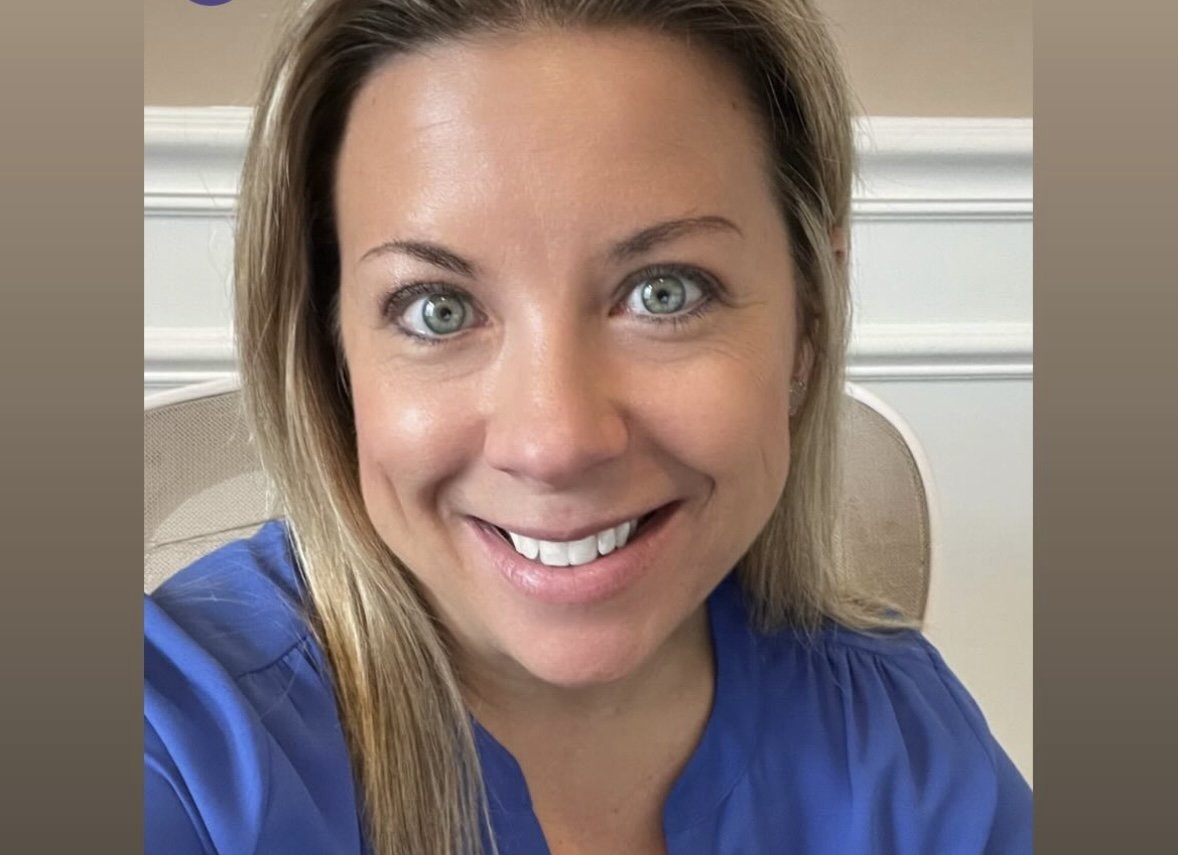
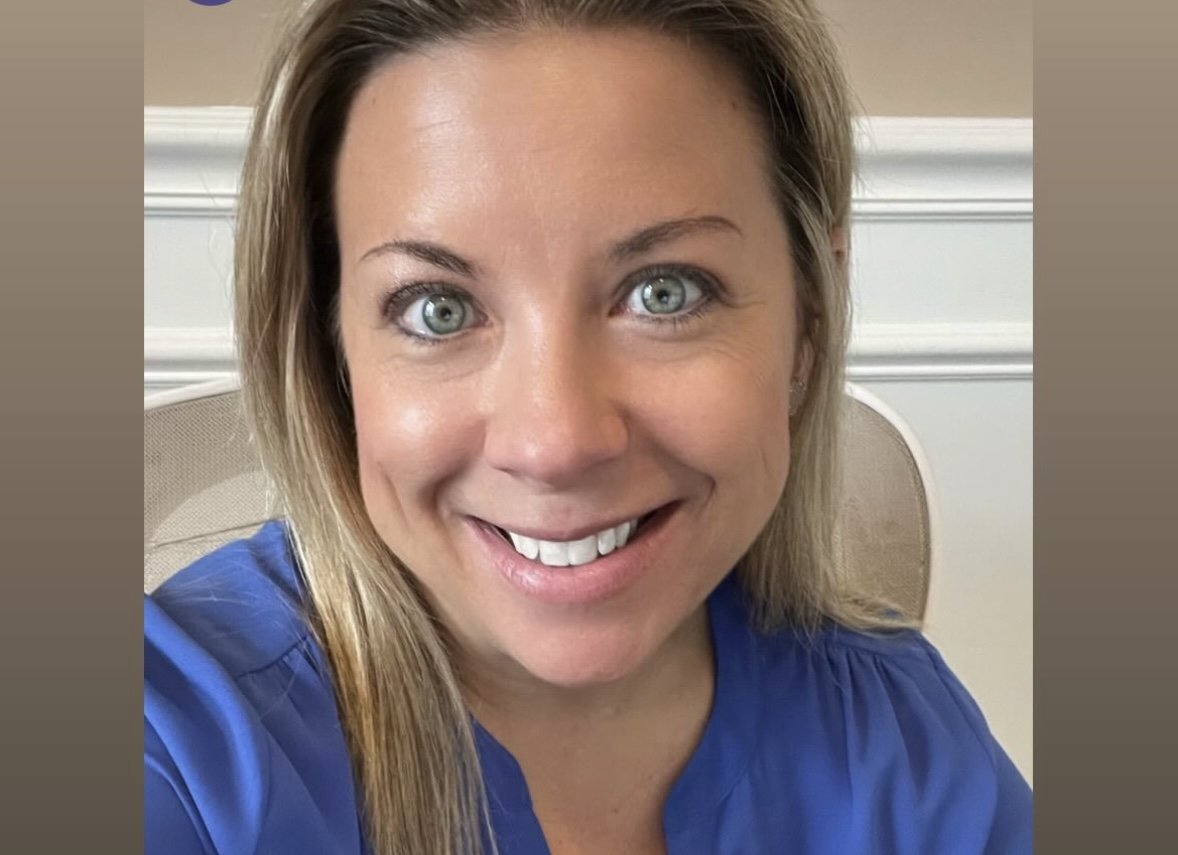
Jamie's Story
My Story: Breaking the Silence on Endometriosis By Jamie Smith
“Unexplained infertility.” “Nothing is wrong.” “Give it time.” “You have a model uterus.”
These were the phrases repeated to me by three different reproductive endocrinologists
as my husband and I endured an exhausting eight-year secondary infertility journey. As
we quietly mourned the loss of multiple pregnancies, my monthly cycles grew
increasingly agonizing. Eventually, as my health rapidly deteriorated, we made the
heartbreaking decision to end our journey to expand our family. I needed to shift my
focus to a single, urgent question:Why was my body failing me?
A Lifetime of Dismissed Pain
The truth is, my symptoms didn't start with infertility; they began in adolescence. As a
teenager, I experienced heavy clotting and "pass-out" level period pain that frequently
forced me to leave school early. While my friends moved through life normally, I spent
my cycles confined to a heating pad, heavily medicating with Ibuprofen, wondering why
my body was so different.
The medical community’s first solution arrived when I was 17. An OBGYN placed me on
the Depo-Provera shot, which caused me to spot for 90 days straight. Instead of looking
for answers, I was told that birth control was the easiest way to "treat" me. I spent the
next decade being passed between numerous doctors, cycling through different brands
of contraceptives, and being repeatedly assured that this was normal.“Periods can be
painful,”they said.
The Turning Point
The true breaking point came months after our final IVF cycle. The pain escalated to a
terrifying level, leaving me in pain to walk. Desperate, I sought out a gastroenterologist.
Ironically, it was a GI doctor—not a gynecologist—who first uttered the word
endometriosis. After reviewing a pelvic CT scan, he called me with urgency in his voice:
“This is not gastro. I need you to see gynecology immediately.”
I found a top endometriosis specialist who performed my very first comprehensive pelvic
pain exam. Through an ultrasound, a pelvic MRI, and eventually a laparoscopic excision
surgery with a hysterectomy, I finally received validation after decades of suffering. I had
both adenomyosis and endometriosis.
The Illusion of a Quick FixBut diagnosis was not the end of the battle; it was just the beginning. Endometriosis, for
me, is an aggressive, progressive disease. Just months after my first surgery, I
experienced two cycles of ovarian cysts rupturing and the excruciating pain returned.
When pelvic floor therapy and nerve blocks failed, a second surgeon took me to the
operating room just one year after my first procedure.
She later described what she found as the “Super Bowl of endometriosis.” It took her
four hours to excise the disease from my pelvic floor, uterosacral ligaments, ureters, and
a mass near my sigmoid colon.
Yet, the relief was short-lived. Post-surgery number two, horrific bladder pain robbed me
of sleep, caused me to medical board flights- travel with so much pain therapy just to
get through work travel, and left me eating OTC urinary pain relief like candy. I was
diagnosed with interstitial cystitis and underwent eight painful bladder instillations, all
while dealing with cyclical ovary and rectal pain. My quality of life plummeted. I had just
enough energy to get through the workday while strapped to heating pads, ice packs,
and heat patches, before isolating myself from friends and family. I was constantly left
wondering:How can I be in this much pain again?
The answer came after another MRI: the endometriosis had returned around both
ovaries, and the symptoms were now spreading up toward my ribcage, requiring a
multidisciplinary colorectal team to step in.
The Reality of Stage IV
Today, I am currently recovering from my third surgery in just 29 months. My body is
exhausted, and the healing process is taking much longer this time. Endometriosis has
systematically taken my uterus, cervix, fallopian tubes, ovaries, and appendix. It has
invaded my pelvic floor, pelvic walls, uterosacral ligaments, vaginal cuff, and ureters. I
am living with Stage IV Deep Infiltrating Endometriosis (DIE), facing a high recurrence
rate, and learning firsthand how chronic illness fundamentally alters your life, your
relationships, and your sense of trust in your body.
A Call to Action
I wish I had known decades ago to seek out a specialist. I wish I had known that birth
control was merely masking my symptoms while an aggressive disease grew
unchecked inside me.
I am incredibly grateful to organizations like theOur Daughters Foundationfor asking
the hard questions, educating patients, and fiercely pursuing better resources for
treatment. To anyone currently suffering in silence: please, do not stay behind the curtain. Ask
questions. Seek out true excision specialists. Demand thorough testing.
And to my fellow endo warriors: share your stories. Speak up. By raising our voices, we
pave a smoother, faster path to accurate diagnosis for the next generation. Let’s bring
our collective voice out of the shadows and demand the change we deserve.

Join Us: Make a Difference Today
Your support can transform lives. Every donation helps us fund research, advocate for better care, and provide essential grants to women facing debilitating conditions.
Join Us: Make a Difference Today
Your support can transform lives. Every donation helps us fund research, advocate for better care, and provide essential grants to women facing debilitating conditions.

